

Make Your Backyard a Year-Round Gathering Place With an Electric Patio Heater Outdoor
Make your backyard an all-year-round spot for gatherings by installing an electric patio heater outdoor. To ensure maximum comfort, be certain to follow manufacturer guidelines and consult with an electrician or plumber (if you decide to go with gas) to ensure your space is properly equipped.
The users say that this portable option is perfect for heating small spaces, such as a covered porch or garage. They also appreciate that it comes with a handy carry bag for easy transportation.
Safety Tips
It is important to understand how to make use of your outdoor heater for patio use. This will help ensure your safety and the safety of others when using it. To begin, always read and follow the manufacturer's guidelines. This will help you understand the way your particular model functions. Keep your heater away from fire hazards and keep the power cable away from areas where people might fall over it. Keep pets and children away from the heater while it is running.
It is also crucial to maintain regularly your outdoor heater in order to avoid issues and prolong its life. You can clean the surface of your outdoor heater with a damp brush or cloth to remove dirt and debris. Also, you should check the heater for signs of wear and damage, particularly electrical or gas connections. Repair any of these issues when you spot them.
Electric outdoor heaters are available in a variety of styles including pillar-style and portable models. Each has its own advantages, so be sure to take into consideration which one is best for your space. If you have a smaller yard then a standing model might be the best choice for you, as it takes up less room than a tabletop model.
If you have a huge yard, you might be interested in installing a ceiling-mounted unit since it will heat the entire outdoor space. Follow the manufacturer's instructions for installation to ensure that your heater is safe.
If you live in a region that experiences harsh weather conditions, you might want to think about an enclosure for your electric patio heater outside. This will shield your patio heater from rain, snow and other elements that could damage it. It will also stop leaves and debris from building up on the heater and inside it and causing fire or cause damage.
Heater Options
Patio heaters are available in a variety of styles and sizes. There are models that run on natural gas, propane, and electricity. Certain models require a huge propane tank while others are powered by the plumbed connection, and don't need to be filled. The power output of each model is different and the more powerful the BTU rating the more it can heat an outdoor space.
Propane and natural gas patio heaters require professional installation, and their upfront costs are higher than electric units. They are more powerful, however they tend to burn more hot. They are not suitable for use in enclosed areas. Natural gas and propane units also house an flammable fuel that can be a security risk if the unit isn't properly vented or placed in a secure place.
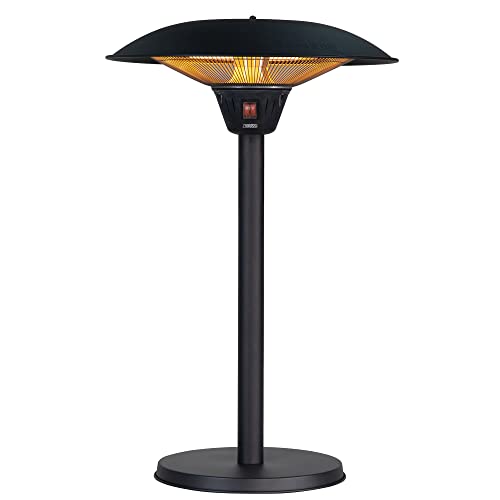
Electric patio heaters are a simple option to set up and operate and are cheaper than other models. free standing electric patio heaters is what powers the heating element, which emits infrared beams that warm people and objects. Most models come with a swivel-head, which means you can direct the heat rays where they're needed. A lot of these units also be able to withstand wind, which makes them ideal for use in areas with high winds.
Some models have a portable design, making them easy to move from one spot to another. For the best mobility, opt for a model that has wheels at the base.
You can also install a heater mounted in your backyard. This kind of heater can be placed on a stand with a built-in stand or base and can be placed on a ceiling or wall to an unfinished surface. It's also ideal for placing under awnings and umbrellas. Electric models are safer than natural gas or propane heaters for patios that require a vent to function. They can also be used in enclosed spaces. However, it is important to make sure your patio heater is placed in a ventilated area per the manufacturer's instructions. This way, you will be able to enjoy your outdoor space even in freezing temperatures.
Installation
A patio heater allows you to make use of your outdoor living area beyond the seasons of summer, spring and autumn. It's an excellent option to keep warm when the sun sets and creating a comfortable and welcoming space to host friends and family. Rock Electric can install a patio heater that is appropriate for your needs regardless of whether you have an extensive outdoor space or a tiny balcony.
Patio heaters, unlike forced air heaters, which blow hot air into the room, use radiant heat to warm up objects and people. Standing in front of the sun on a sidewalk can make you feel warm. This is because light and infrared radiation radiates off the sidewalk. A patio heater is similar. It has a heater that burns propane, butane, LPG or natural gas to heat a perforated screening.
Some models come with a reflector at the top to distribute the infrared heat evenly. The most effective models can be dimmed to regulate the amount of heat that is produced. They can also be connected to a smart-home system to add capabilities.
The BTUs (British Thermal Units) that are required by your patio, is another important factor to consider. The larger the space is, the greater number of BTUs are required to reach the desired temperature. A professional from Dallas Landscape Lighting will help you determine the number and recommend the most suitable heater for your outdoor space.
If you decide to go with a natural gas, propane or an electric patio heater, you should to get professional installation from an experienced electrician. Propane heaters for patios are portable and can be refilled at any gas station or convenience store, but they require the permanent connection to a propane line and are more expensive to run than electric heaters.
Electric patio heaters are a great alternative for new installations as well as retrofitting existing outdoor spaces. They can be placed as lamps, hung from the ceiling as tube lights, or affixed to walls along the perimeter of your patio. Make sure to verify the IP certification of the heater before purchasing to ensure it can be installed outside and is weatherproof to rain. The IP rating can be found on the product description page or in the user's manual.
Cost
A patio heater is an excellent way to prolong the time you spend enjoying your outdoor space. At Lowe's we have various overhead and freestanding patio heaters that let you enjoy your patio all year round regardless of the weather. Select from electric, gas and infrared options to provide warmth and comfort.
Consider a natural-gas heater if you want to include an option for heating that is efficient in energy use for your patio. This kind of heater heats your space with infrared energy, which is less expensive than forced air heating. This type of heater is ideal for rooms that are poorly ventilated since it doesn't push heated air into areas that aren't needed. Natural gas heaters are typically fixed to a permanent gas line and require a skilled installation.
If you're in the market for a patio heater that uses natural gas or propane be aware that the amount they create in heat is measured in British Thermal Units (BTUs). Calculate the area of your patio and then multiply it by the desired temperature.
In addition to taking into consideration the size of your space It is also important to determine whether you'd prefer a portable unit or one that mounts on the ceiling or wall. Think about the features you'd like, such as an integrated remote or timer. Check with the manufacturer of your deck for safety tips and installation instructions. These can vary depending on the product.
Besides the cost of materials and equipment in addition to the cost of materials and supplies, your patio heater installation will include the cost of labor. This could include the removal the existing, moving or repairing the existing surface finishes and framing fixtures, and bringing your work site into compliance with local electrical and plumbing codes. Other possible expenses might include the costs of testing and removal of hazardous materials, such as asbestos, lead or the radon. And of course, there's sales tax on all purchases and any applicable permit fees.